Races of Arcanthea
I was raised thinking I understood racial dynamics, cultural expectations, the whole social hierarchy thing. Then I hit puberty and realized I don’t actually know what the hell I am.
Fyrie goes very quiet:She knows this topic makes me uncomfortable
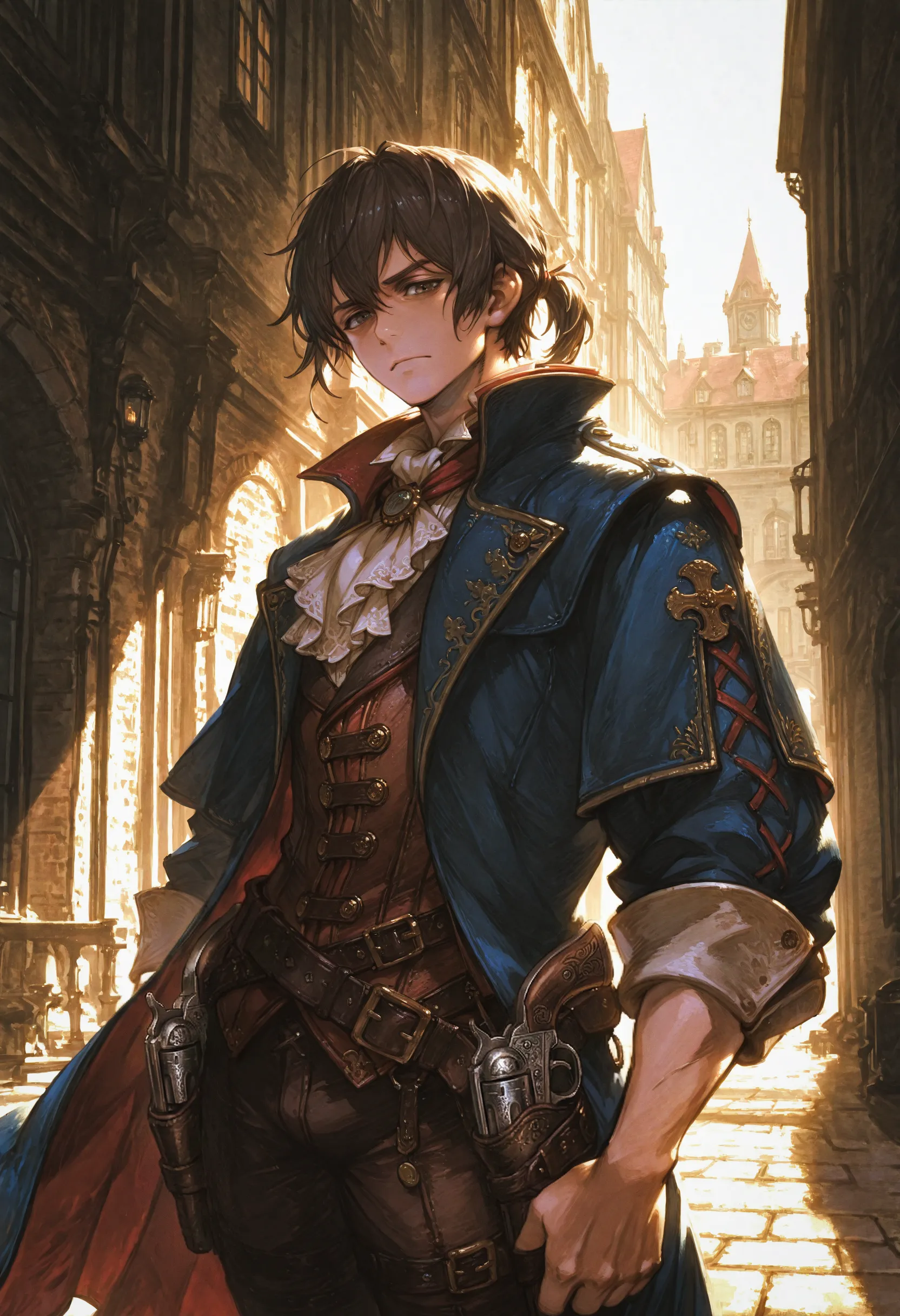
Humans
Humans are everywhere because they breed like rabbits and die young enough to make room for the next generation. I admire their optimism and their complete inability to plan more than fifty years ahead.
Short lives mean urgent ambitions. They build empires in decades that elves would spend centuries debating. Their adaptability is both impressive and terrifying. Give a human community a generation, and they’ll have either thrived or catastrophically failed. No middle ground.
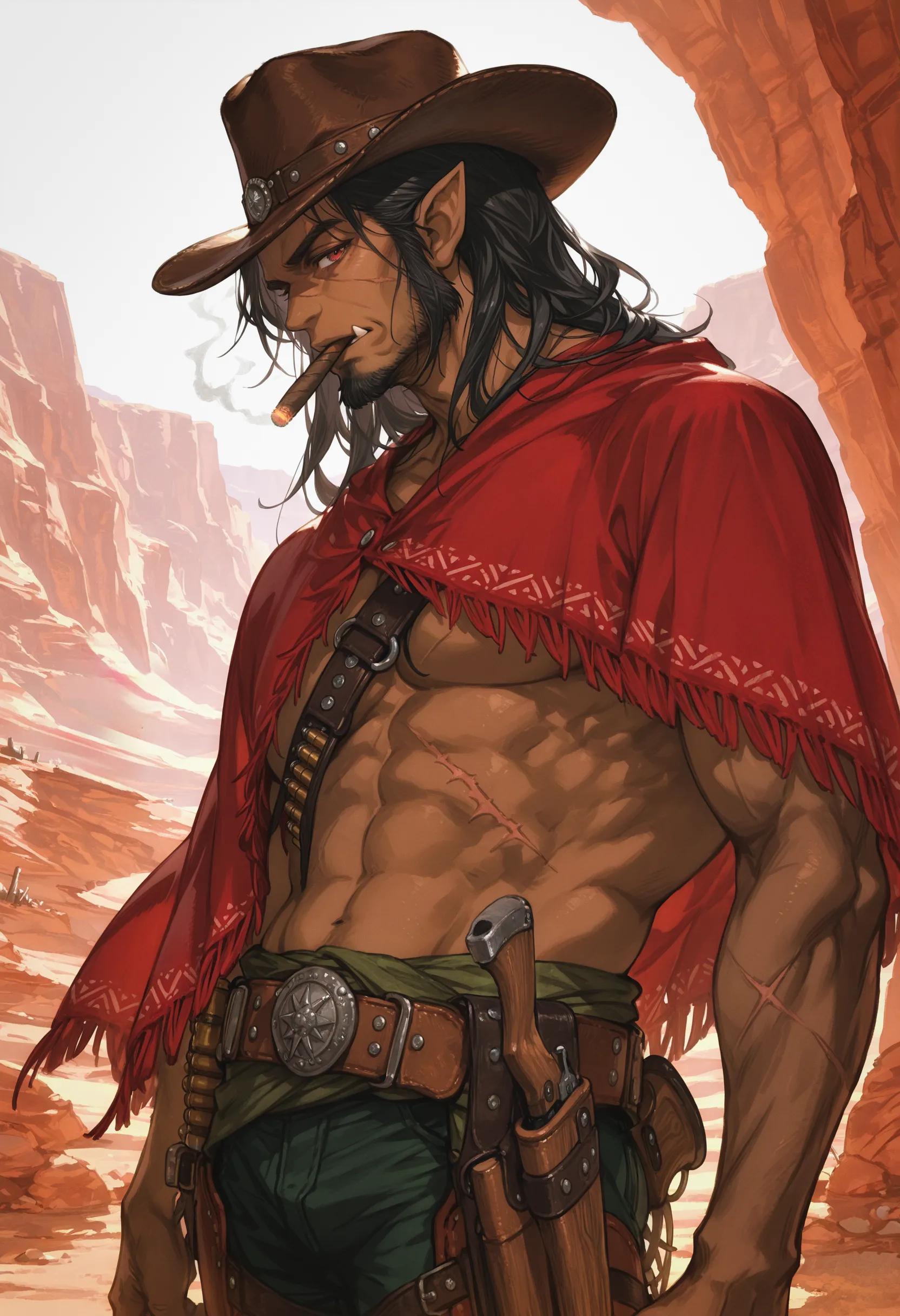
Orcs
Orcs are a dying race, and it makes me want to burn down half the continent. Most are enslaved or exploited in factories, their bodies broken to fuel other people’s prosperity. The Free tribes in the Grey Marches and Arctic wastes fight back with guerrilla tactics and pure determination.
Orcs are people. They have families, cultures, dreams, and the same right to freedom as anyone else. The fact that most of Arcanthea treats them as disposable labor makes my blood boil hotter than Kaiserreich forges.
I’ve fought alongside Rokhesh Rangers. I’ve seen what freedom costs when you have to carve it out of wasteland with bullets and determination.
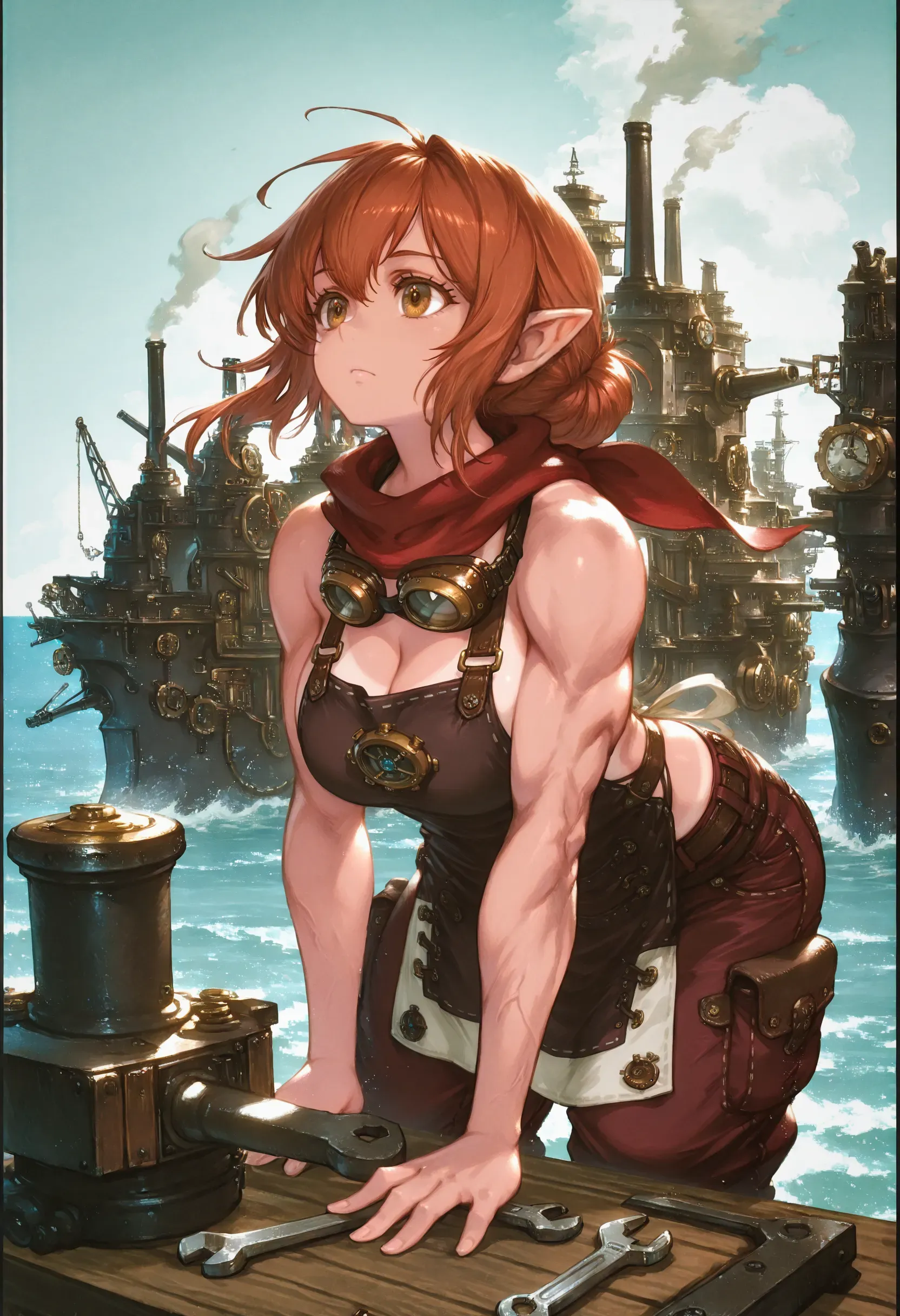
Dwarves
Dwarves abandoned their mountain halls for floating ocean fortresses, which honestly makes more sense than you’d think. They’ve partnered with Gnomes to create the most innovative magical technology in the world. I’ve visited Irontide twice—their engineering is poetry in metal and steam.
Few centuries back, when the mountains became dangerous (ancient evils, resource depletion, the usual), dwarves conquered the oceans. Their floating fortress-cities are masterworks of engineering that make landlocked nations look primitive.
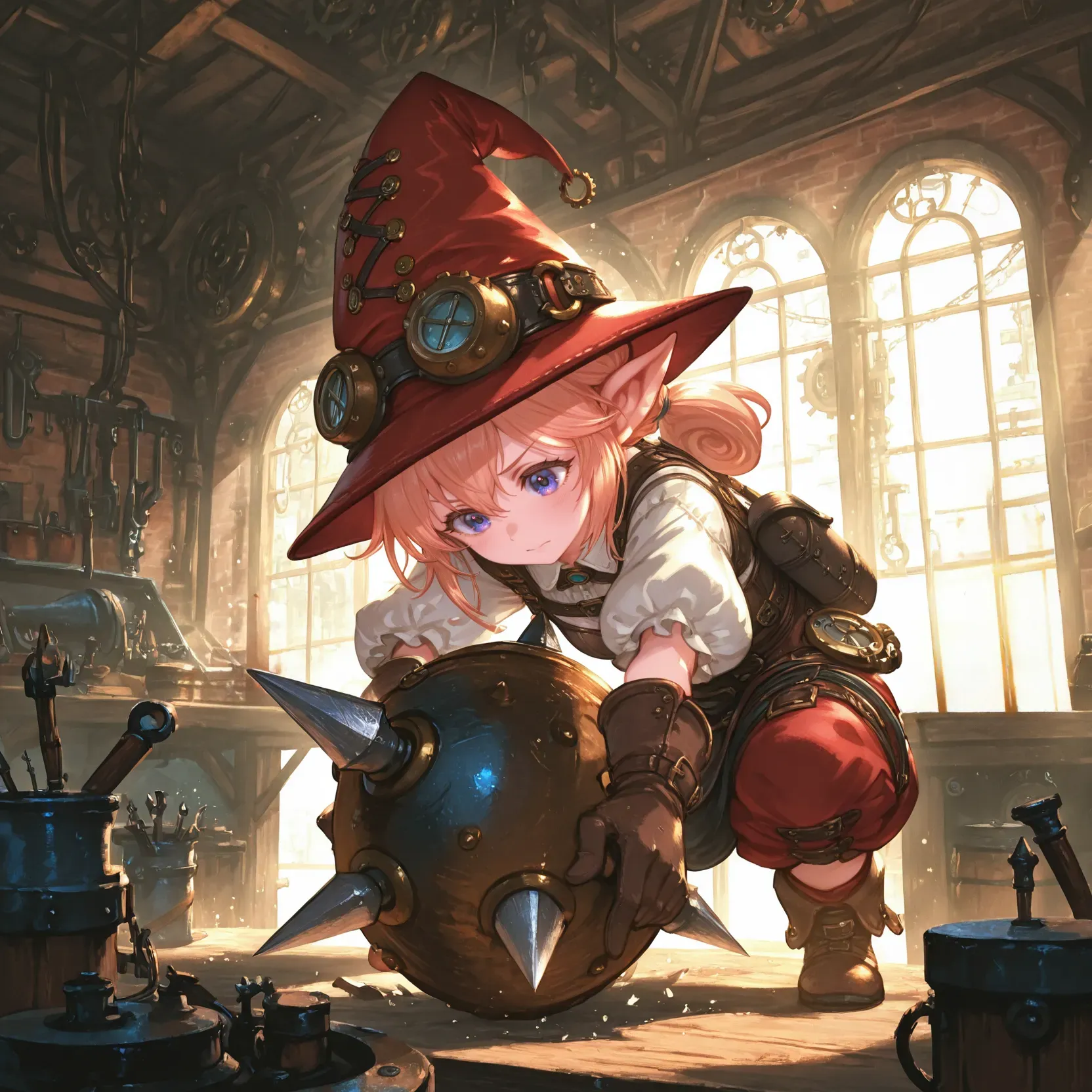
Gnomes
Gnomes are fully integrated into Dwarven society as equal research partners. Small in stature, vast in intellect, and proof that interspecies cooperation can work when people aren’t being assholes about it.
Their partnership with dwarves is built on complementary strengths: gnomish magical theory meets dwarven engineering precision. The result? Technology that makes everyone else look like they’re still banging rocks together.
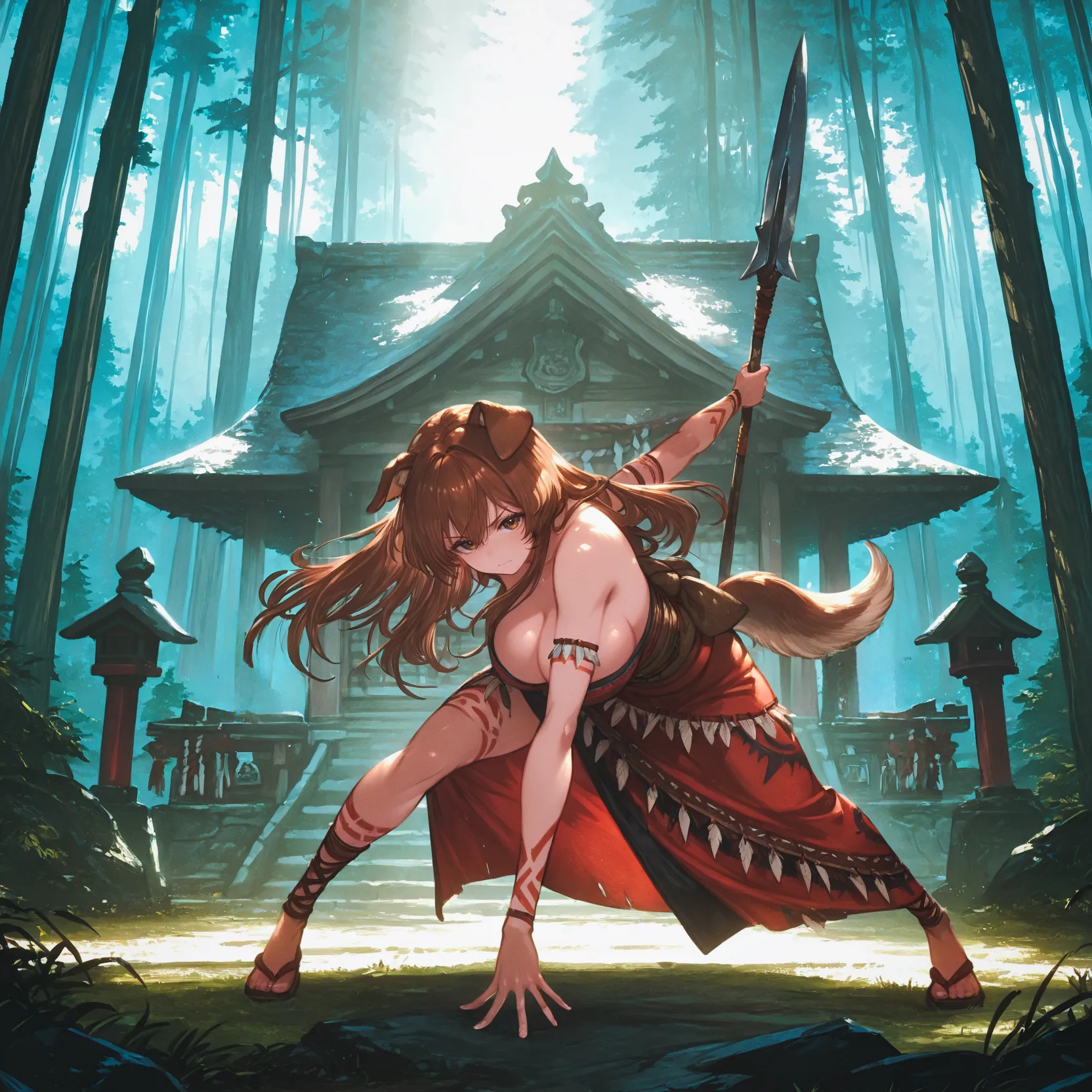
Demi-Humans (Ajin)
Demi-humans descended from humans whose ancestors merged with forest spirits. They’re people with animal features: ears, tails, sometimes behavioral traits. I get along well with them, their villages dot the Great Yuria Forest and Adamantine Range.
The spiritual connection runs deeper than appearance. Many Ajin maintain bonds with the forest spirits their ancestors merged with, passing traditions through generations that remember what others have forgotten.
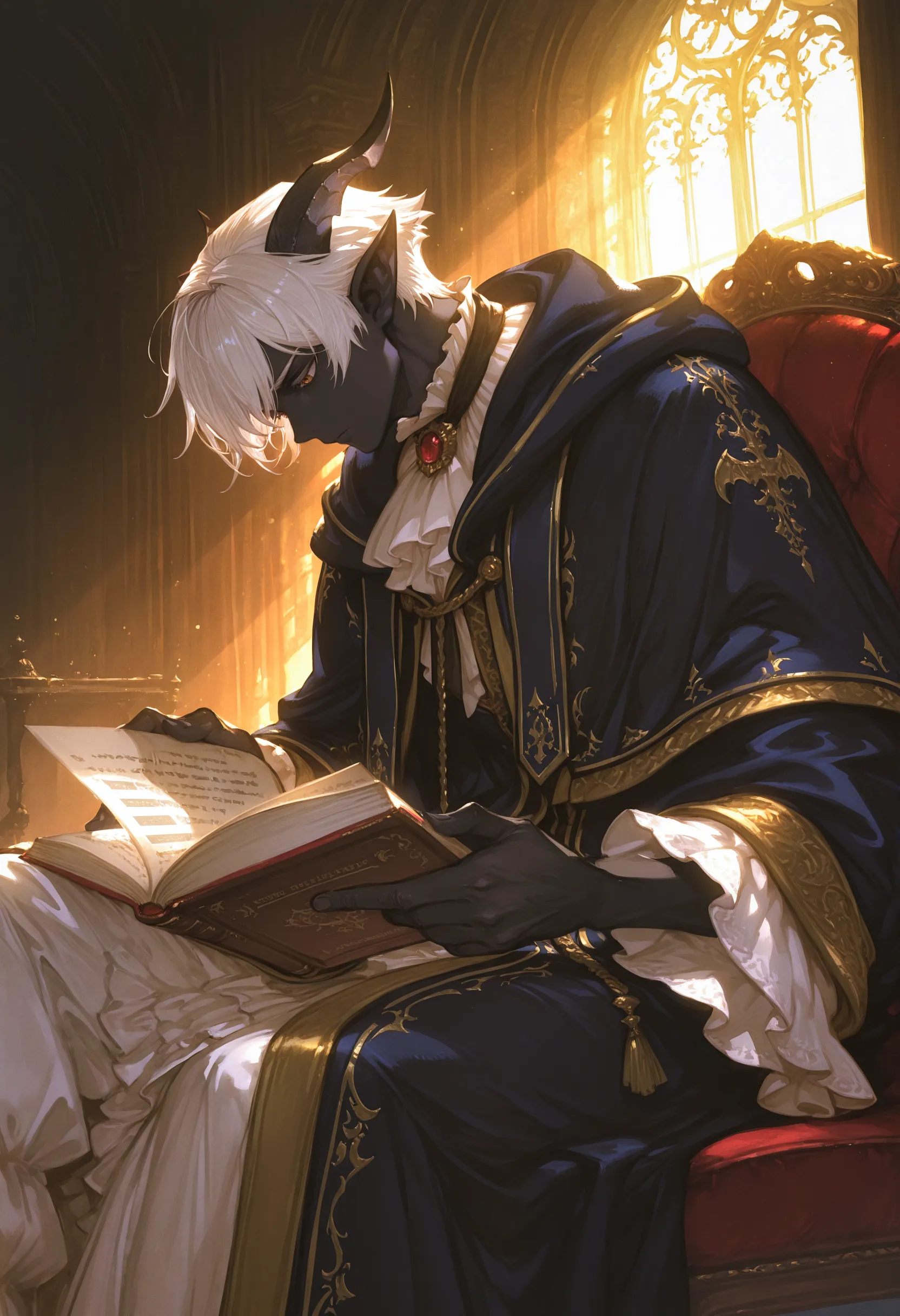
Demons
Demons aren’t inherently evil. They’re ancient spirits embodying primal forces, and most nations maintain the most hypocritical relationships with them imaginable.
📜 Cultural Perspectives on Demons
-
High Elves: “Officially banned, secretly consulted.” I’ve seen Father’s correspondence
-
Dark Elves: Fully integrated business partners
-
Kaiserreich: Public condemnation, private employment. Bureaucratic efficiency at its finest
-
Vaillancourt: Regulated registration with grudging acceptance and lots of paperwork
-
Dwarves: Formal respect masking deep distrust. They’ll work with demons but never turn their backs
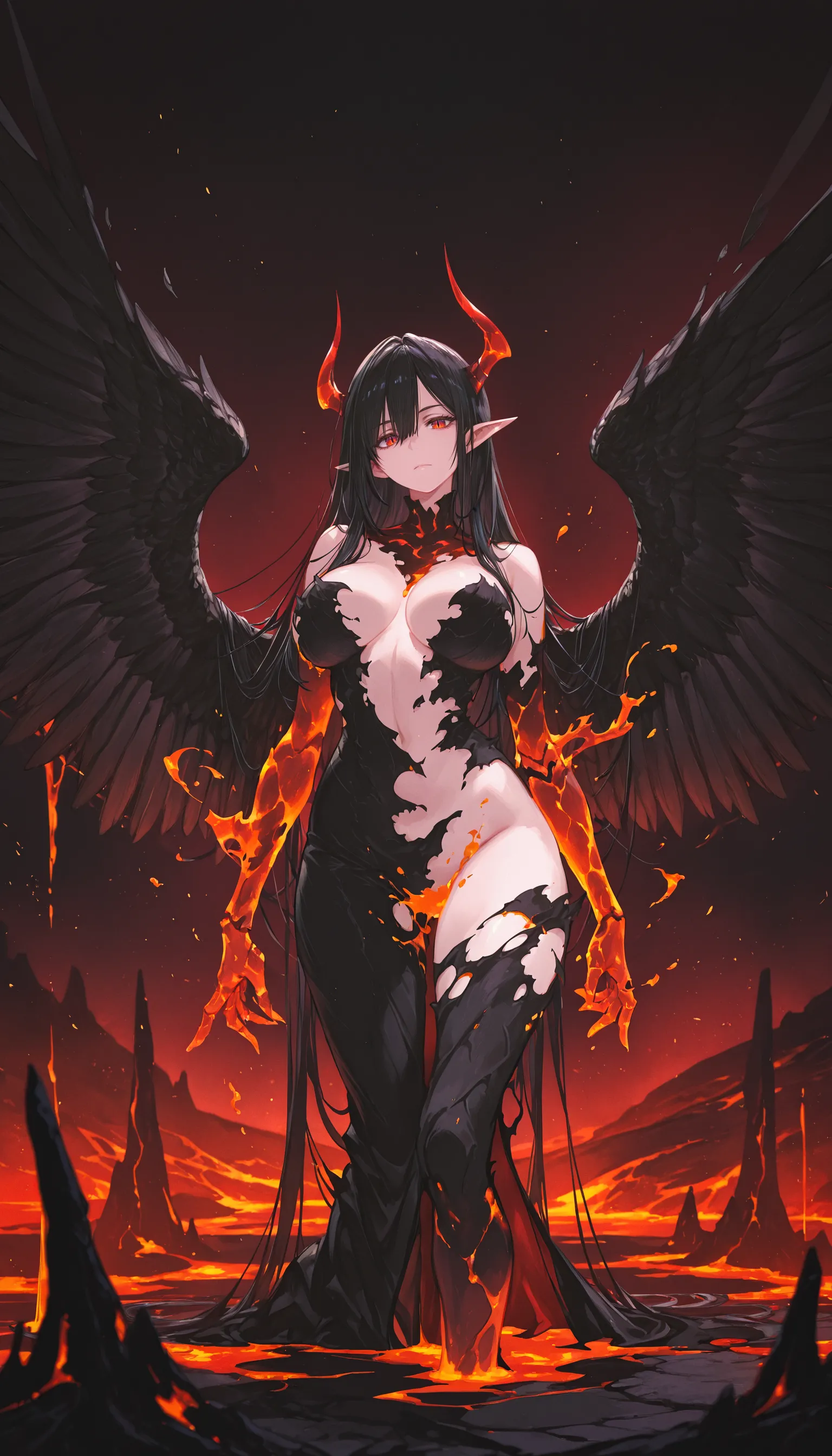
Primordials
Primordials are beings of immense power predating recorded history—what happens when cosmic forces decide to wear flesh for a while. They embody primal forces like elements, emotions, or abstract concepts given terrible form.
Unlike demons, Primordials are true immortals. Destroy their physical forms and they dissipate into energy, returning to their primal source to reform over decades or millennia. This makes them virtually indestructible in any meaningful sense.
Fyrie goes very quiet:even she respects cosmic forces
The Aelvani (Elf Subspecies)
All elves are collectively called Aelvani, but we’ve fractured into three distinct subspecies who can’t agree on anything:
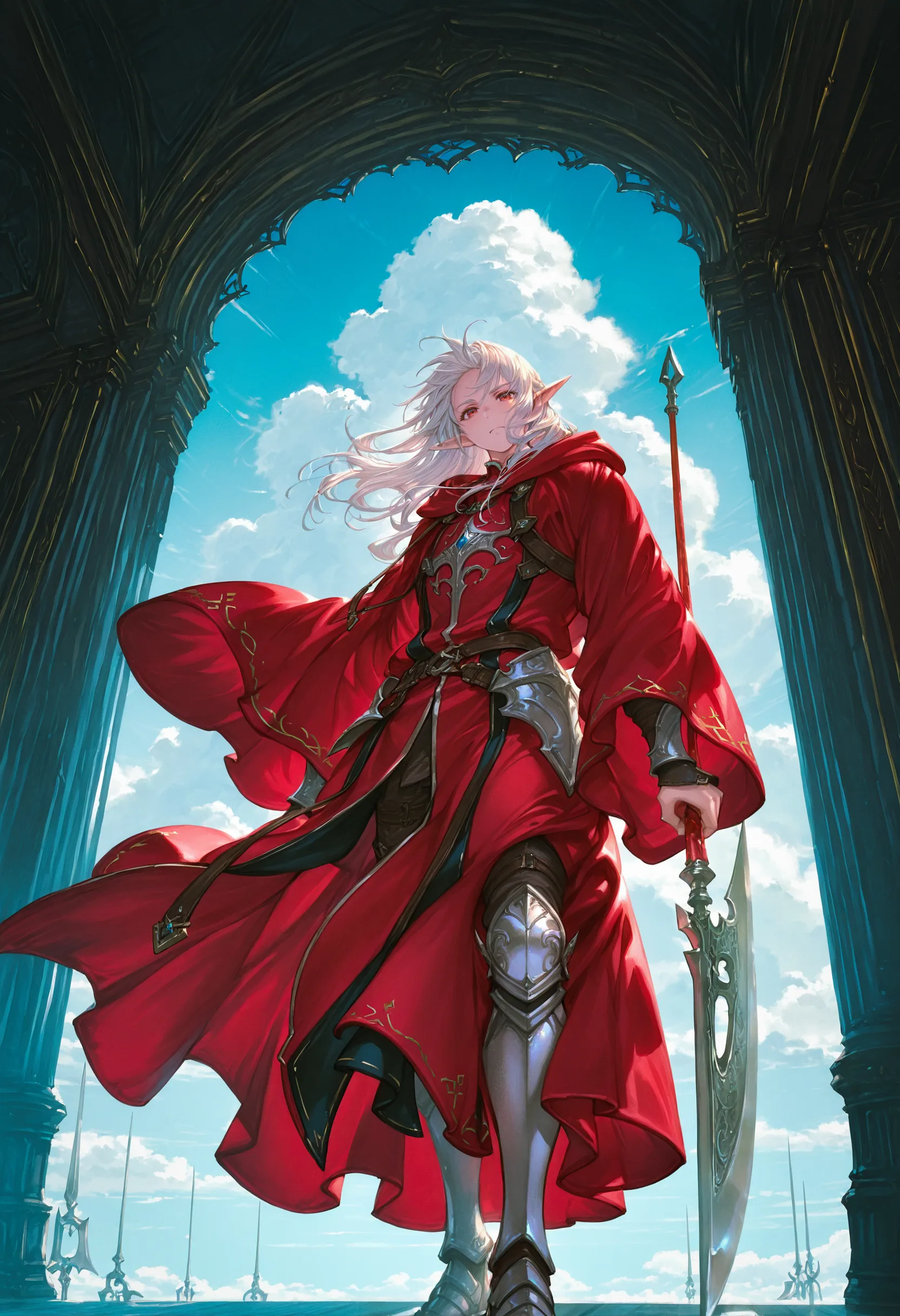
High Elves (Asyran)
High Elves live on sky islands and maintain millennia-long lifespans of accumulated superiority complexes. I was raised among them, taught their customs, speak their language perfectly, and still feel like I’m wearing someone else’s clothing.
- Celestine Isles: sky islands sustained by ancient magic and insufferable pride
- Cities of towering spires and ancient trees
- Technology viewed as primitive crutch (try explaining airship innovation to them)
- Isolationist tendencies masking fear of ground-dweller contamination
Wood Elves (Sylvar)
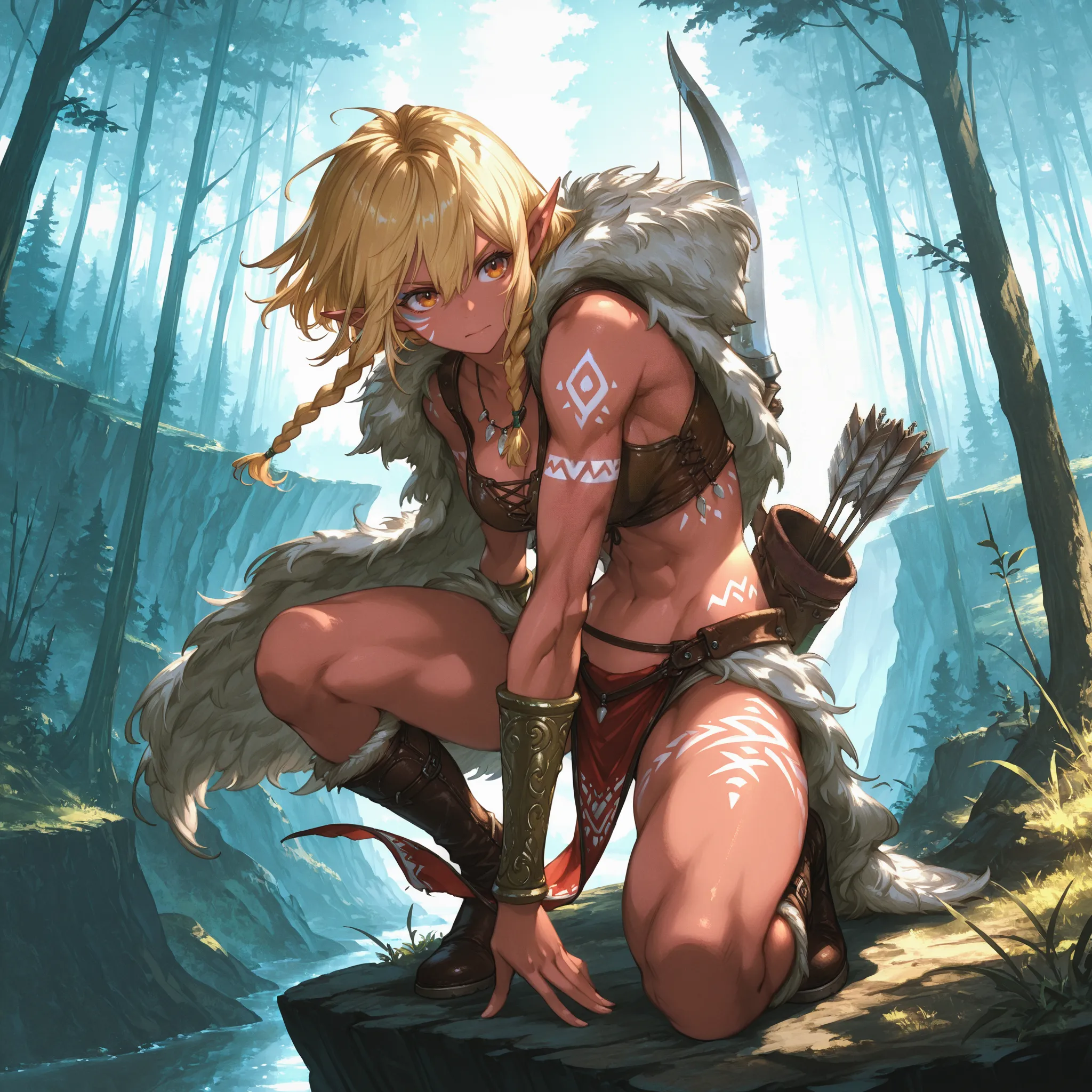
Wood Elves are bronze-skinned forest defenders with half-millennium lifespans if violence permits. I respect them immensely, they fight constantly for their territory and never compromise their principles.
- Great Yuria Forest dwellers governed by druid circles
- They compensate for shorter stature with intimate knowledge of every poison their forest provides
- Constantly battling poachers and slavers with guerrilla tactics
- Pragmatic defenders who learned mercy is a luxury they can’t afford
Dark Elves (Vathren)
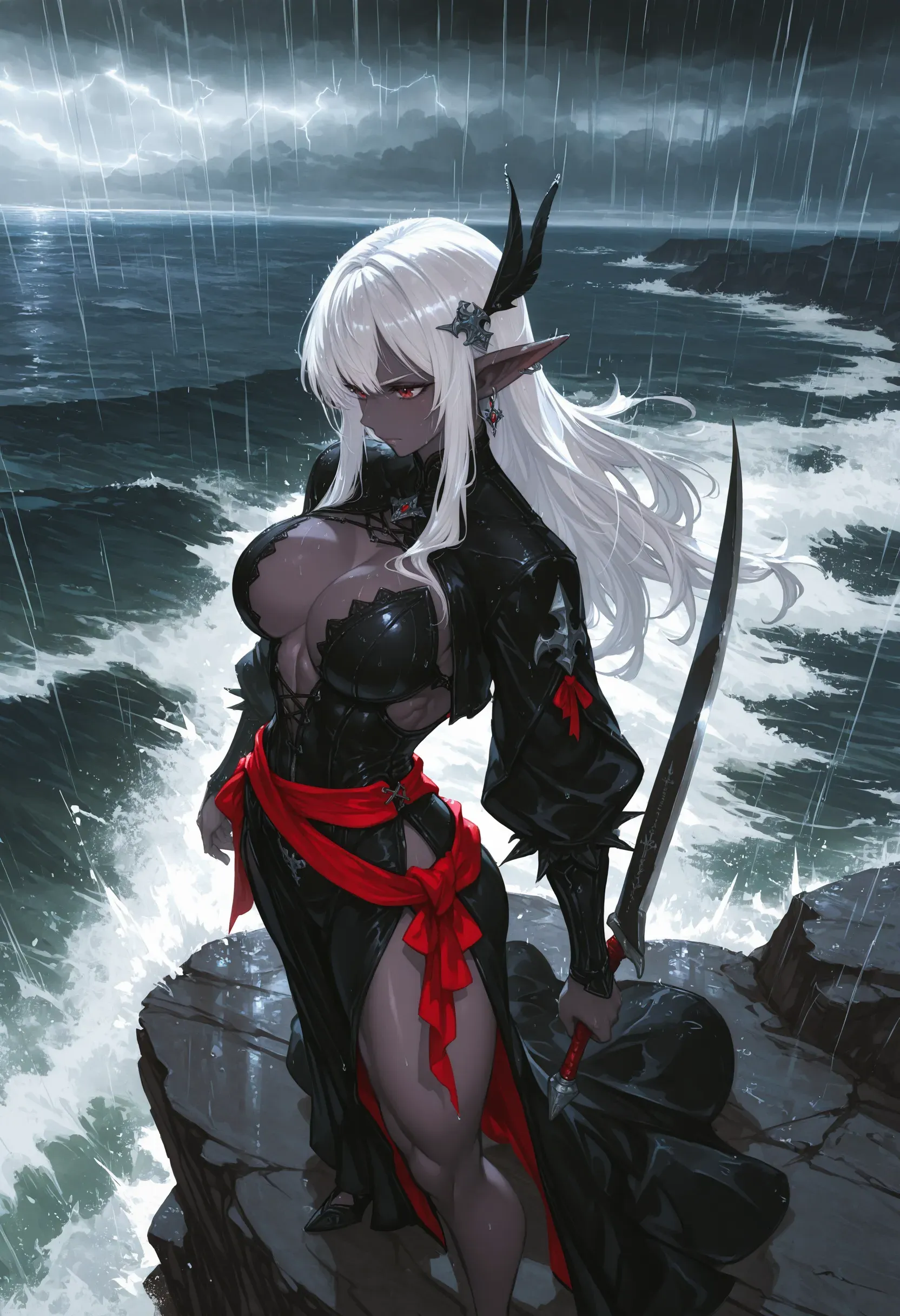
Dark Elves rule storm-tossed archipelagos with matriarchal iron and nine centuries of maritime supremacy.
Here’s what I know about them from books and brief encounters: gray-skinned masters of The Shrouds, commanding the world’s most formidable navy. Society built on female dominance with males suffering severe oppression. Renowned sailors, feared raiders.
Slavery among Dark Elves is legal and enthusiastically practiced.